Guanyao Cultural and Art Center
6月23日
抢先感受官窑文化艺术中心的即兴之美
抢先感受官窑文化艺术中心的即兴之美
抢先感受官窑文化艺术中心的即兴之美
活动汇聚日本当代陶艺家寄神宗美、留美韩国陶艺家李泰兴,与本土陶艺力量——南海信息技术学院陶艺专业学者、教师、教授一同,通过乐烧创作演示、中日茶叙对话、文化理念碰撞等环节,为狮山注入了一场跨越地域与代际的艺术盛宴,更以“陶瓷”为媒,勾勒出官窑文化艺术中心推动艺术文化交融的生动图景。
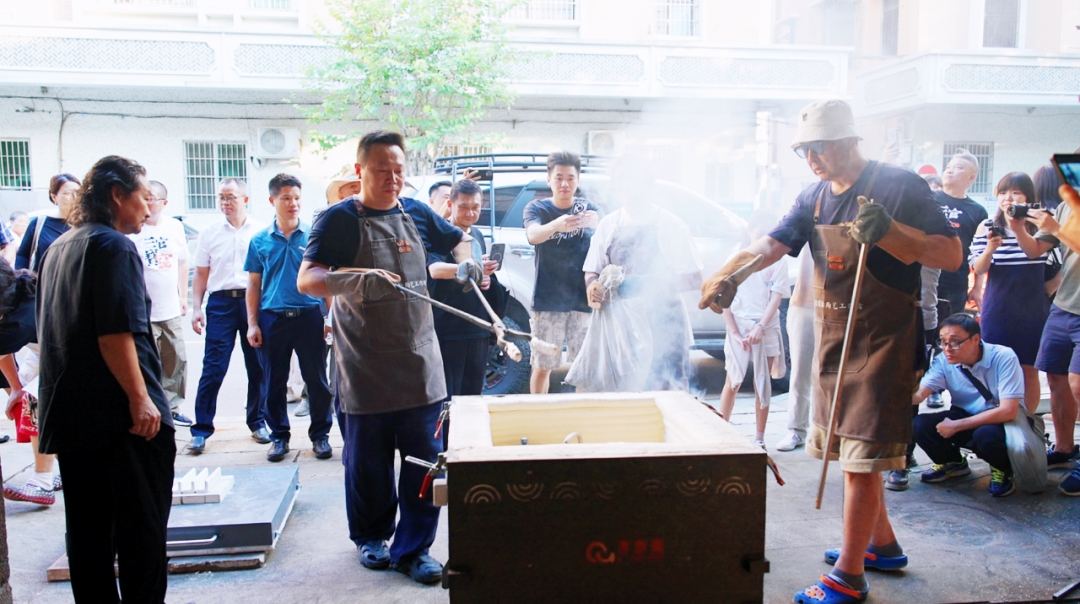
乐烧(RAKU),源自日本的独特的陶瓷烧制技术,近代传播到美国,发展出了具有美国特色的“美式乐烧”
Modern American-style Raku firing is popular for its high interactivity, short firing time, and unique effects. Its distinctive firing method allows the works to display vibrant and beautiful colors, gradually gaining wider acceptance and becoming one of the commonly used low-temperature techniques in contemporary ceramic creation. Participants apply glazes and place their pieces into the kiln on-site, gathering around the furnace to witness the moment when the clay is “reborn through fire.”
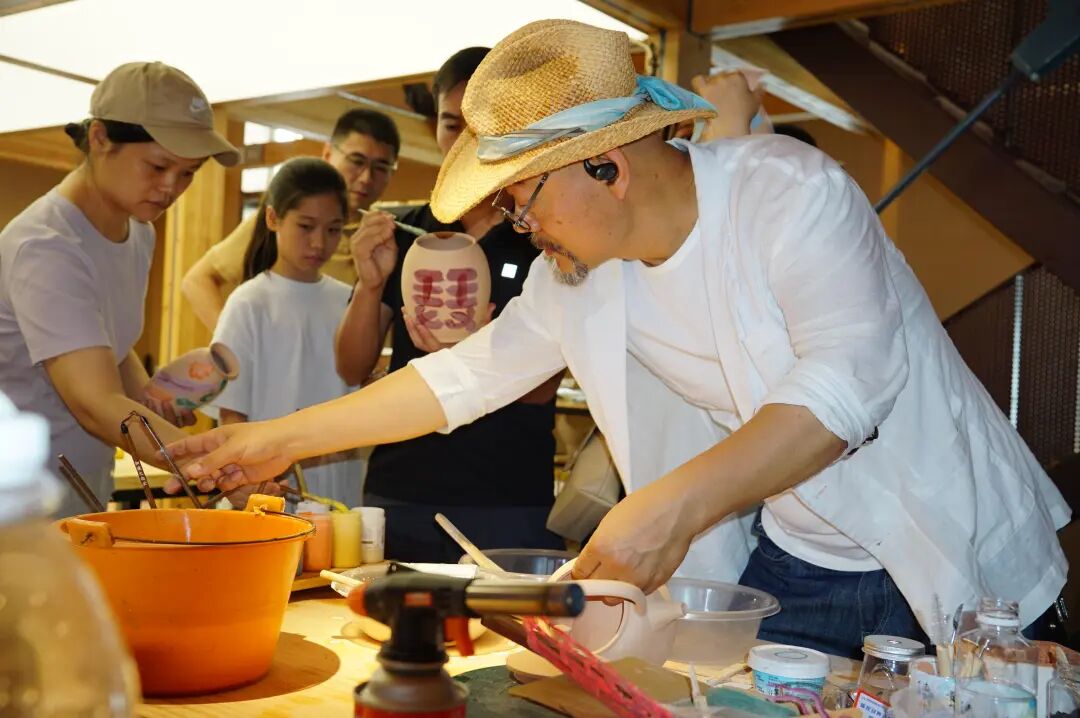
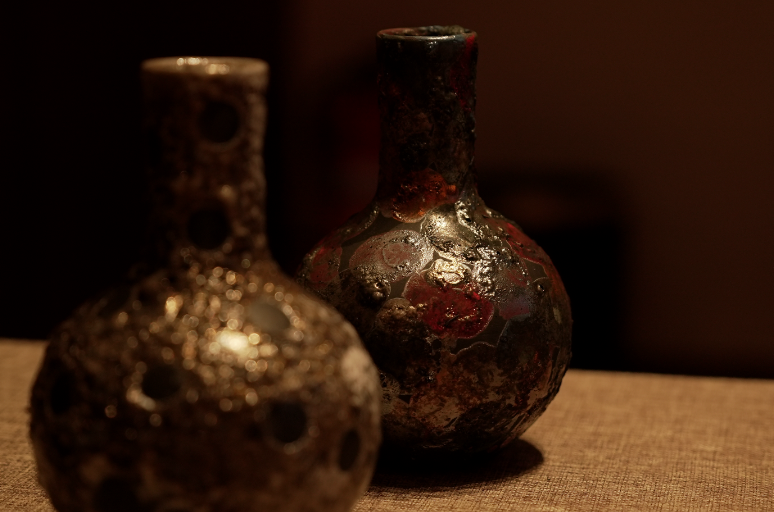
南海信息技术学院陶艺专业潘老师表示,参与完整乐烧流程后,感受到十里官窑具有非常强大的生命力,未来带领学生进行陶艺创作时亦会注重弘扬传统文化,希望将南海、佛山等地的陶艺技法和釉料技艺传承下去,让陶艺文化焕发更深的生命力。
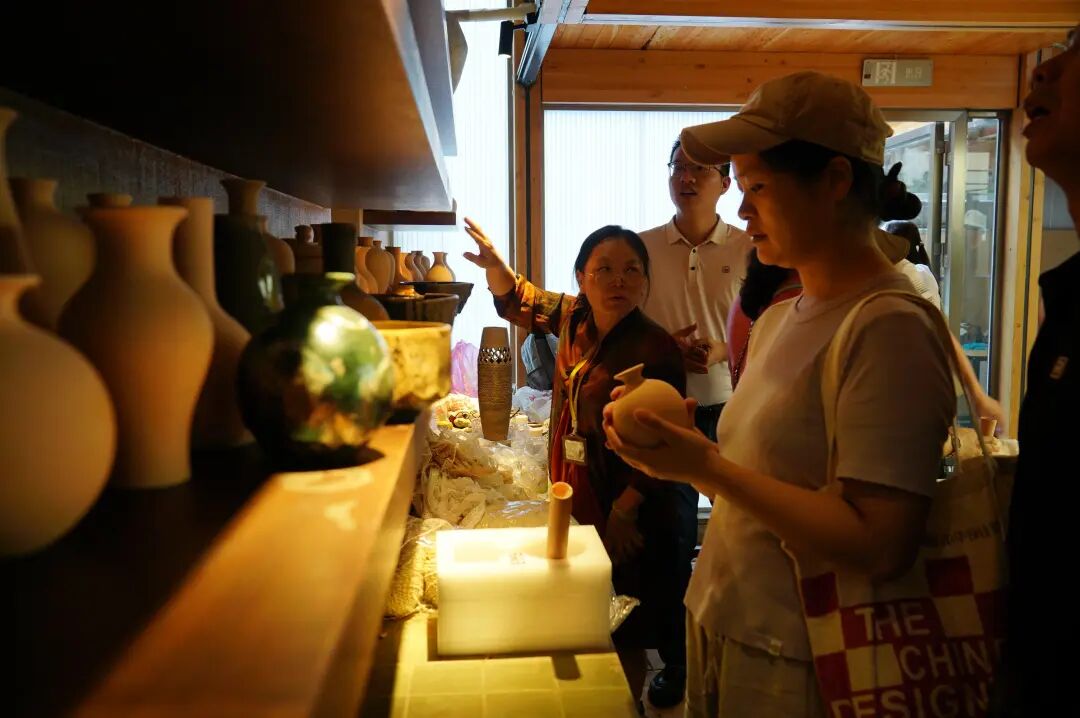
随后,寄神宗美与李泰兴的“中日茶叙”环节将活动推向高潮。作为八木一夫入室弟子、日本现代陶艺先锋团体“走泥社”的关键见证者,寄神宗美以其“重构”系列闻名——他的作品常以破碎、重组的形态,探讨陶瓷“不完美的生命力”。
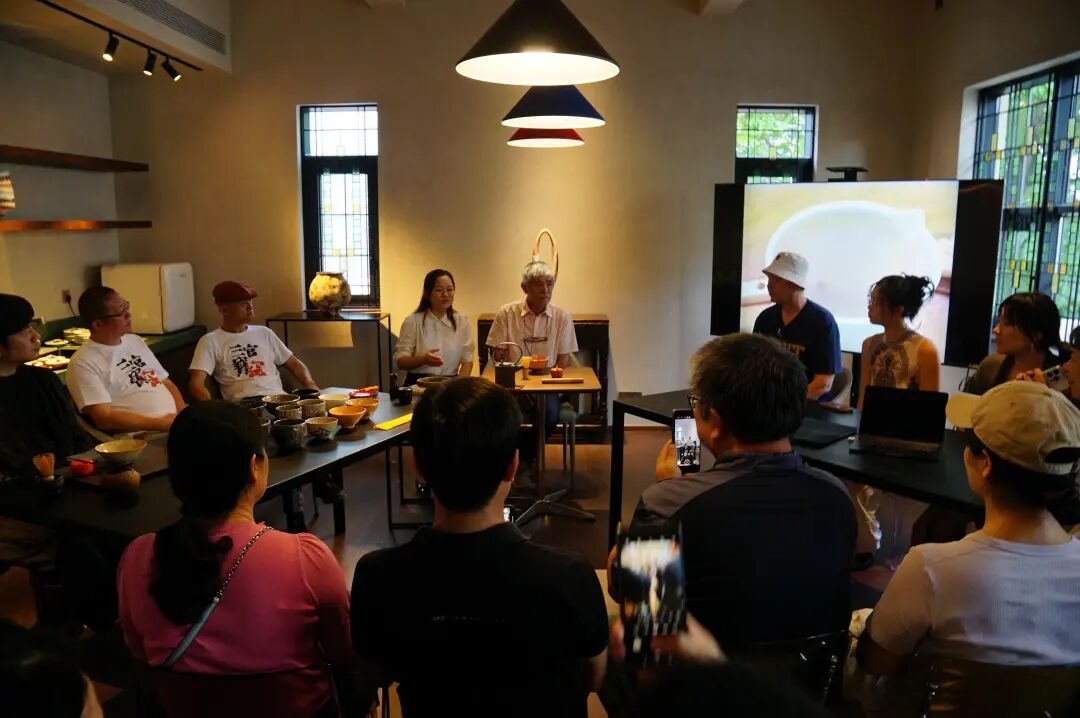
“中国的泥土与窑火总让我想起日本‘走泥社’的精神:打破程式,让艺术与土地对话。”寄神宗美谈及此次南海、狮山之行,特别提到对老建筑、传统瓷器的观察,“这里的历史不是博物馆里的标本,而是活在每位艺术家的手上、窑火的温度里,这正是创作最珍贵的养分。”
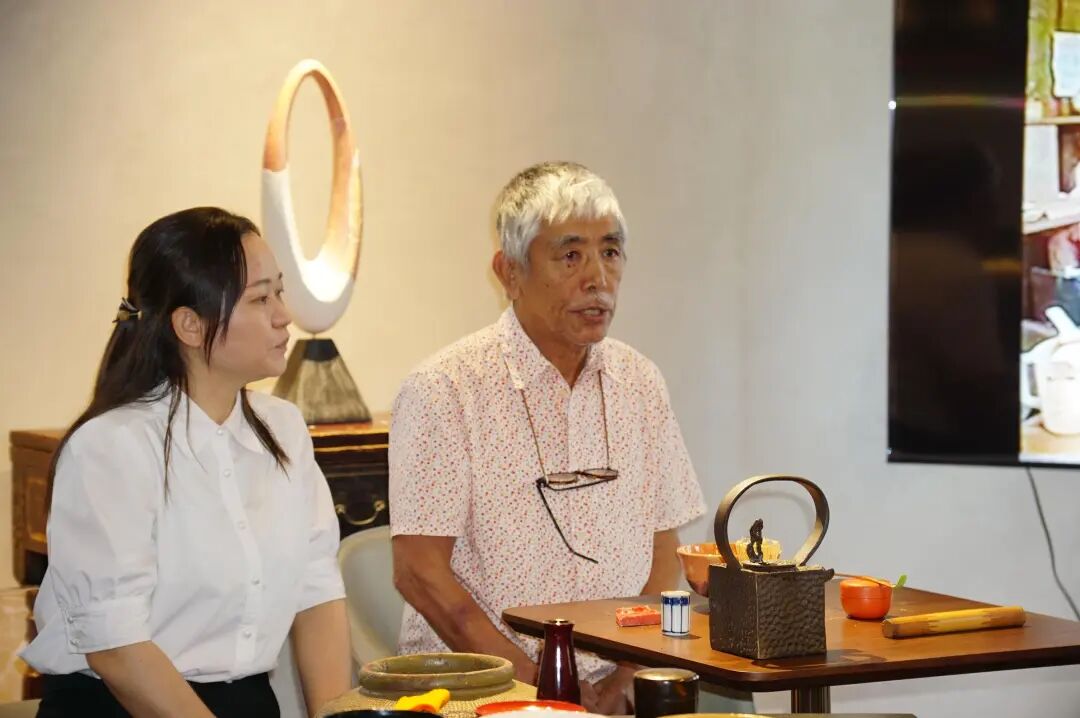
Li Jianshen also stated, “Contemporary Chinese artistic creation, by embracing and integrating abstract concepts from Western life and art with the local cultural environment, is like a seed naturally growing into plants and moss that reflect local characteristics under suitable conditions. This integration is manifested not only in artistic creation but also in everyday life needs, encompassing spiritual, material, physical, and aesthetic dimensions, forming a cross-cultural innovation space that originates locally yet transcends the local context.”
他认为,官窑文化艺术中心正是这样的创新空间——更注重与人的深层联系,无论新旧,均是来访者的归属之地,体现了在地性、历史与现代性之间的深刻理解与实践。
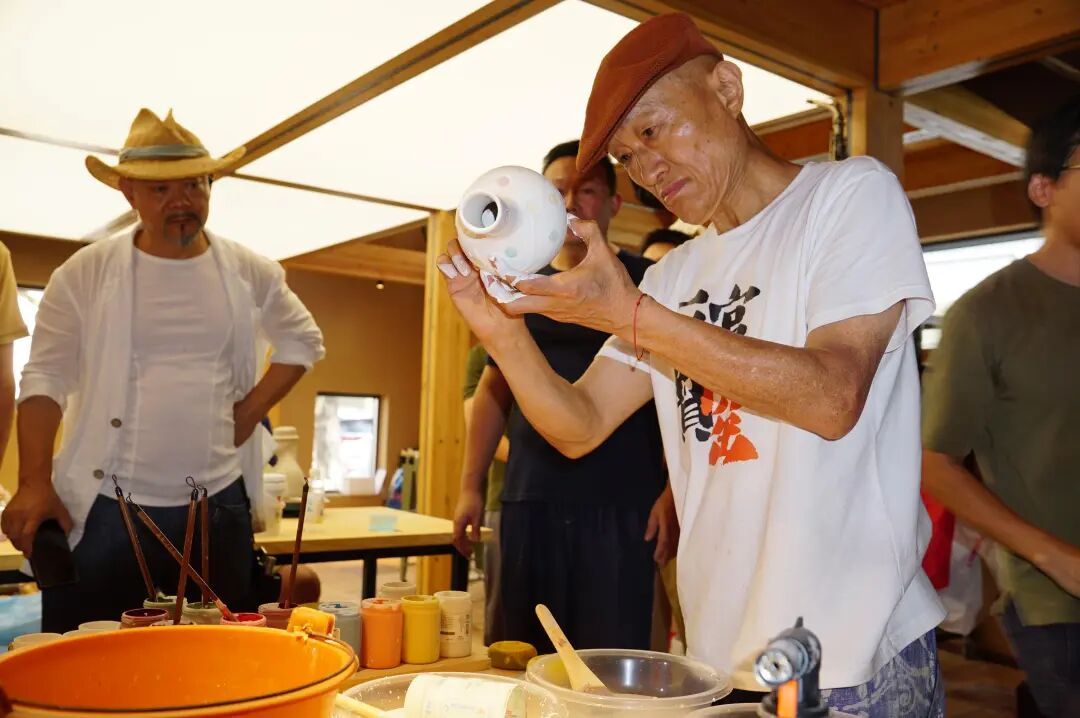
李泰兴则以“关注真实自我”的创作实践回应。作为拥有21次个展、300余次国际群展经历的“陶艺行者”,他的作品横跨亚洲、美洲、非洲,融合韩国传统釉色与全球文化符号。
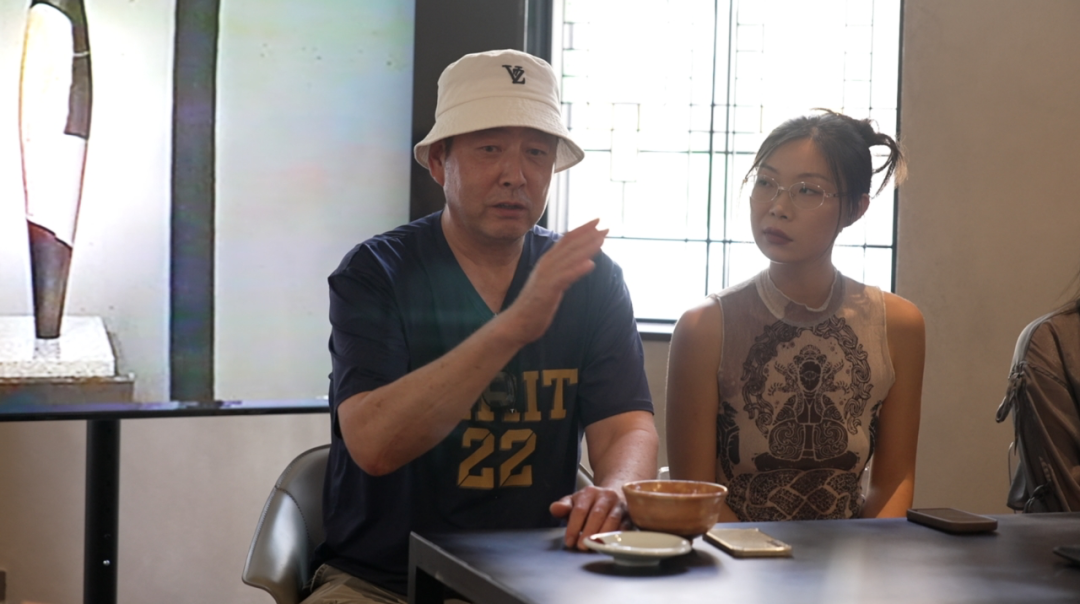
“我在美国学习陶艺,后来深受韩国、中国的陶瓷美学思想影响,但我的作品始终以‘人性’为表达语言。”李泰兴在过往的专访中分享道,“官窑的特别之处在于,它既有皇家陶瓷的厚重历史,又有官窑三宝创作营这样的‘当代实验室’,传统与创新在这里自然生长。”
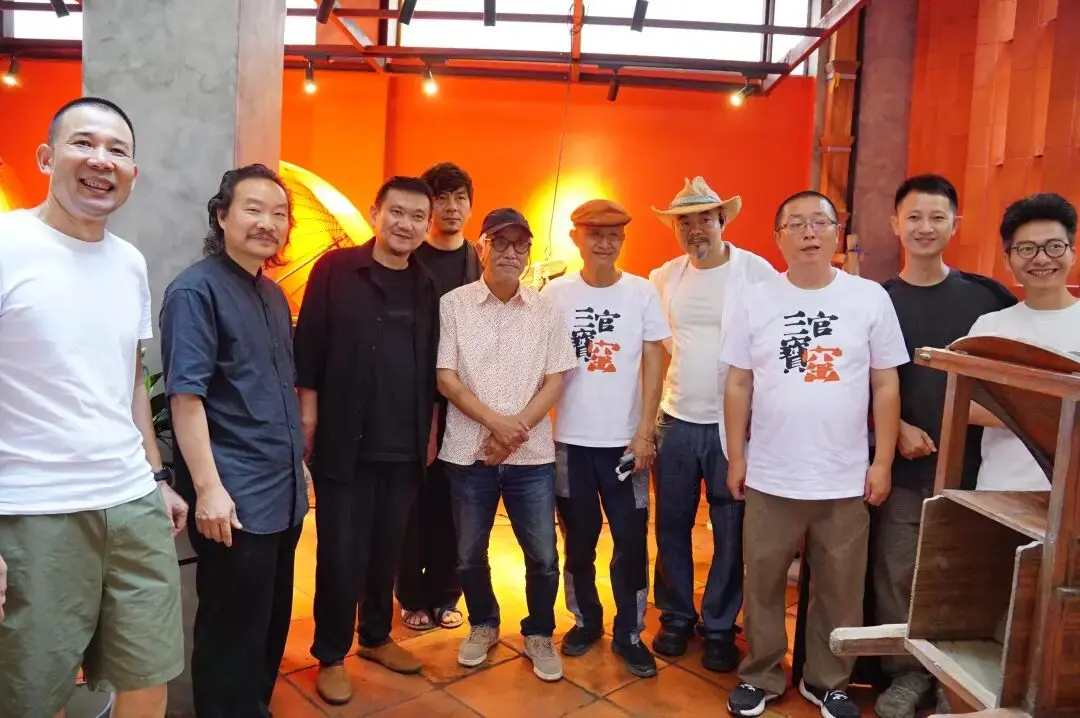
This exchange event is part of the Guanyao Sanbao International Residency Creative Season and represents an important effort by the Guanyao Cultural and Art Center to promote its “International Art Residency Program.” As a key platform connecting tradition and contemporary, local and global, the inaugural 2025 Guanyao Sanbao International Residency attracted eight resident artists and organized the first Guanyao Sanbao International Contemporary Works Invitational Exhibition. Through a model of “on-site creation + cultural dialogue,” the old factory buildings and kiln sites of Guanyao became incubators for artistic innovation.
Wang Yong, the executive curator of the inaugural 2025 Guanyao Sanbao International Contemporary Works Invitational Exhibition, stated that YORIGAMI Munemi’s “Reconstruction” concept and Lee Tae-sung’s focus on the “self” align perfectly with Guanyao’s approach to “living heritage.” “We hope it is not merely about ‘inviting in,’ but through the eyes of artists, letting the story of Guanyao ‘go out’ to the world,” he said.
西樵山书院执行院长殷秩松认为,官窑文化艺术中心的落成投用,将会成为南海打造国际艺术驻留中心的“样板间”,有力推动人文经济引领区建设:“可以预见,这些兼具艺术创作、人文交流、文旅体验、产业孵化于一体的空间,将会成为世界读懂南海的新窗口。”
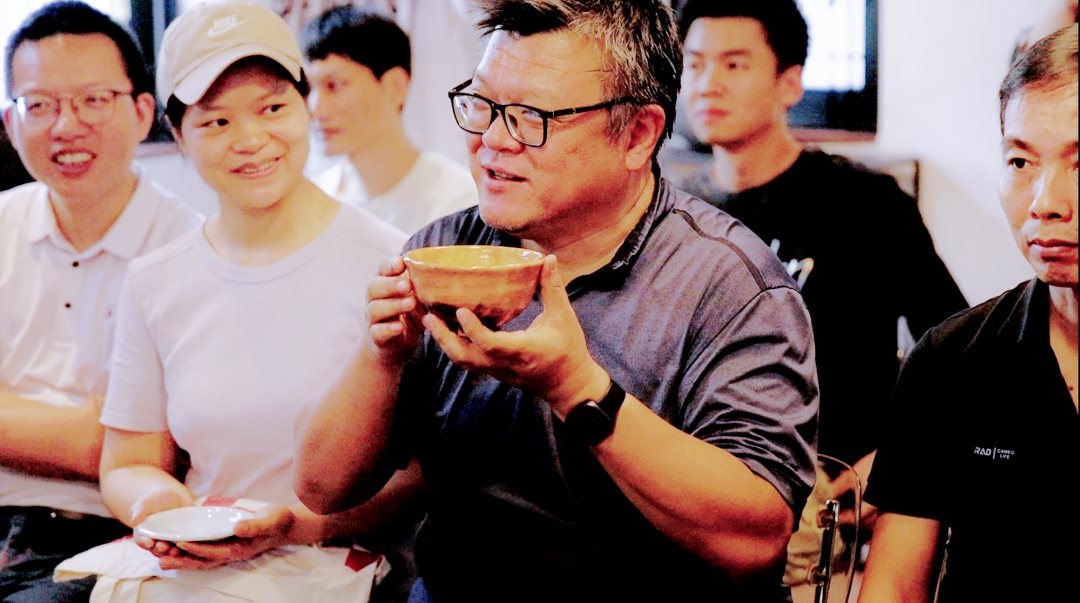
从乐烧的“火中取艺”到茶叙的“以陶会友”,从国际艺术家的创作哲思到本土工艺的活态传承,这场中日韩陶艺交流不仅是一次技艺的切磋,更是一次文化基因的碰撞与融合。
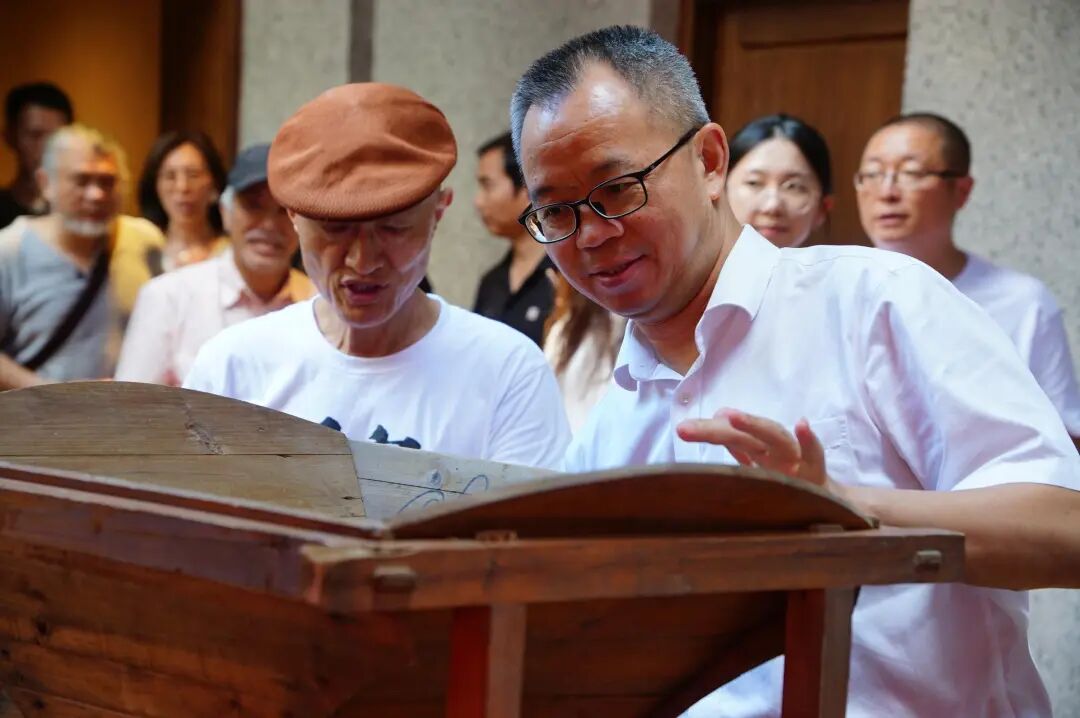
With the continued development of the Guanyao Cultural and Art Center, Nanhai is using ceramics as a bond to weave a cultural and tourism ecological network along the “Yushui Guanyi Cultural Belt.” Here, tradition is being revitalized, innovation is growing, and the term “Guanyao” is transforming from a historical symbol into a living emblem of contemporary cultural and artistic fusion.
Guanyao Cultural and Art Center