Guanyao Cultural and Art Center
June 23, 2025 The “Ceramic Dialogue” China-Japan-Korea Ceramic Exchange event was enthusiastically held at the millennium-old Guanyao kiln. Art enthusiasts experienced the joy of opening the kiln, engaged in tea discussions, and were among the first to enjoy the spontaneous beauty of the Guanyao Cultural and Art Center.
The event brought together contemporary Japanese ceramist Kishin Munemi, Korean ceramist Lee Tae-sung trained in the U.S., and local ceramic talents—including scholars, lecturers, and professors from Nanhai Institute of Information Technology’s ceramics program. Through live kiln-firing demonstrations, Sino-Japanese tea discussions, and cultural concept exchanges, the event injected a cross-regional and intergenerational artistic feast into Shishan. Using ceramics as the medium, it vividly illustrated how the Guanyao Cultural and Art Center promotes the integration of artistic and cultural dialogue.
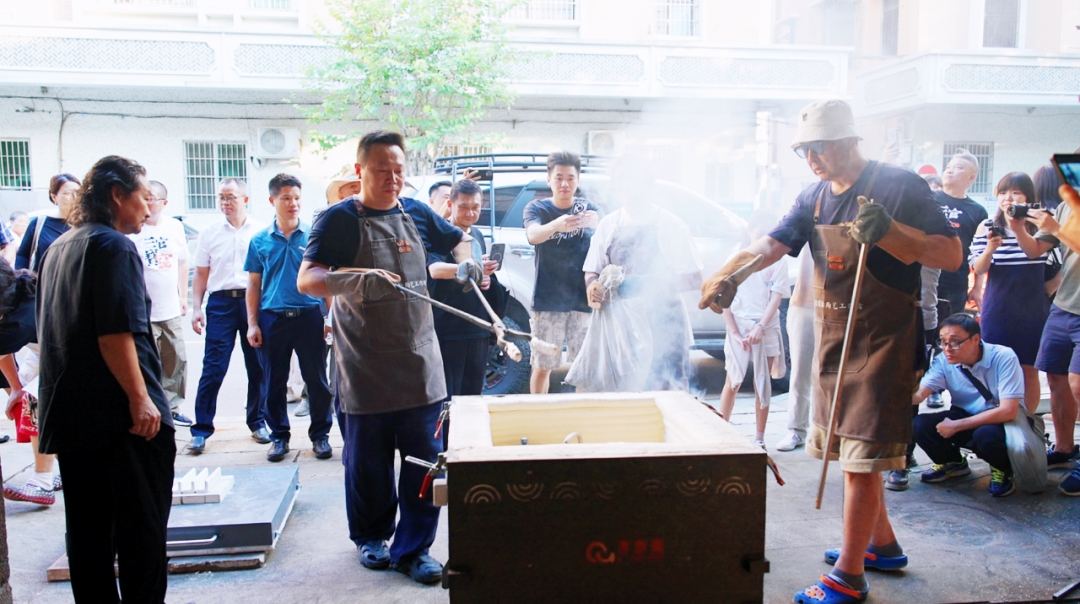
乐烧(RAKU),源自日本的独特的陶瓷烧制技术,近代传播到美国,发展出了具有美国特色的“美式乐烧”
Modern American-style Raku firing is popular for its high interactivity, short firing time, and unique effects. Its distinctive firing method allows the works to display vibrant and beautiful colors, gradually gaining wider acceptance and becoming one of the commonly used low-temperature techniques in contemporary ceramic creation. Participants apply glazes and place their pieces into the kiln on-site, gathering around the furnace to witness the moment when the clay is “reborn through fire.”
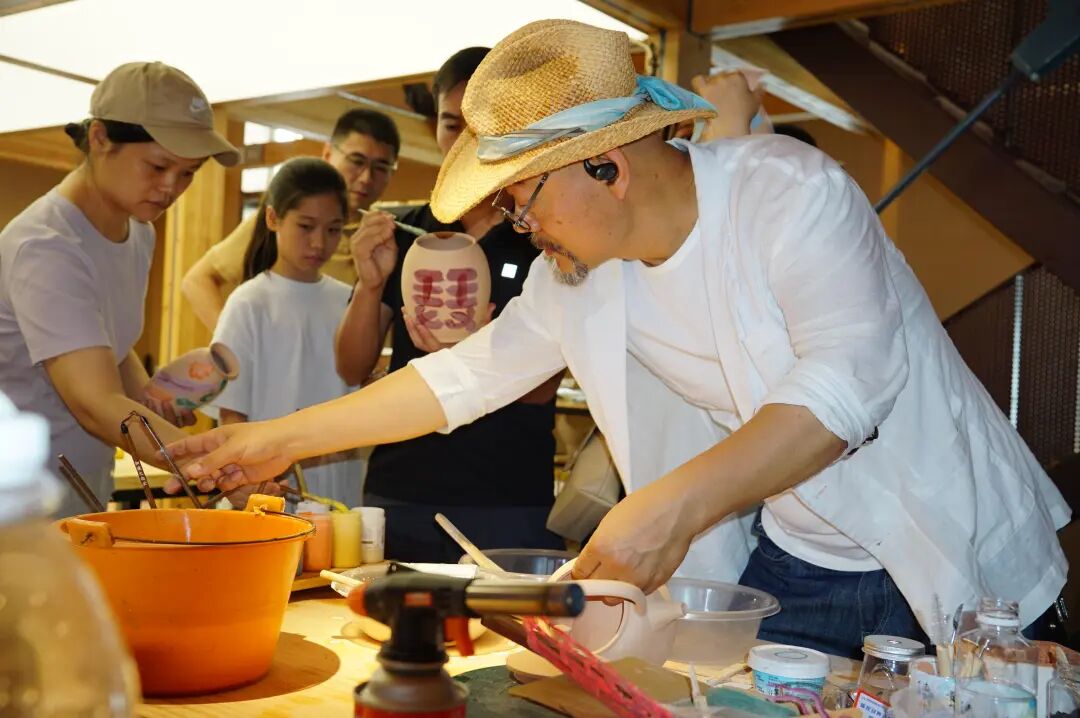
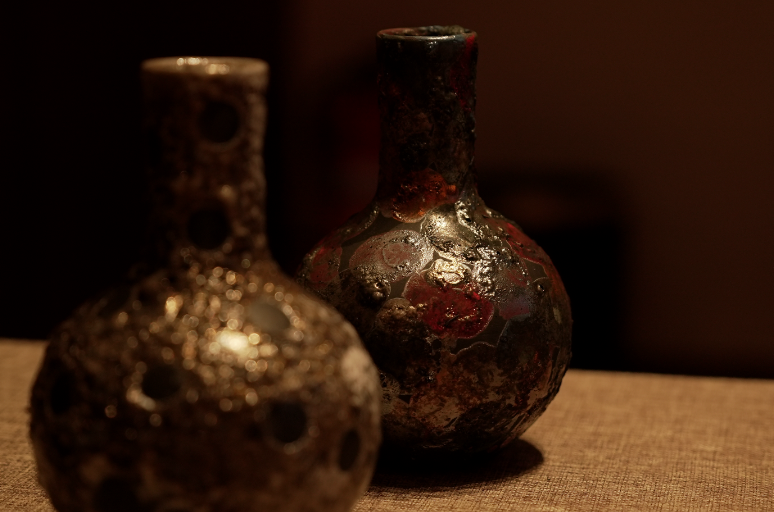
Mr. Pan, a ceramics instructor at Nanhai Institute of Information Technology, stated that after participating in the full Raku firing process, he felt the Ten-Mile Guanyao possesses tremendous vitality. In the future, when guiding students in ceramic creation, he intends to emphasize the promotion of traditional culture, hoping to pass down the ceramic techniques and glaze skills of Nanhai, Foshan, and surrounding areas, allowing ceramic culture to flourish with even greater vitality.
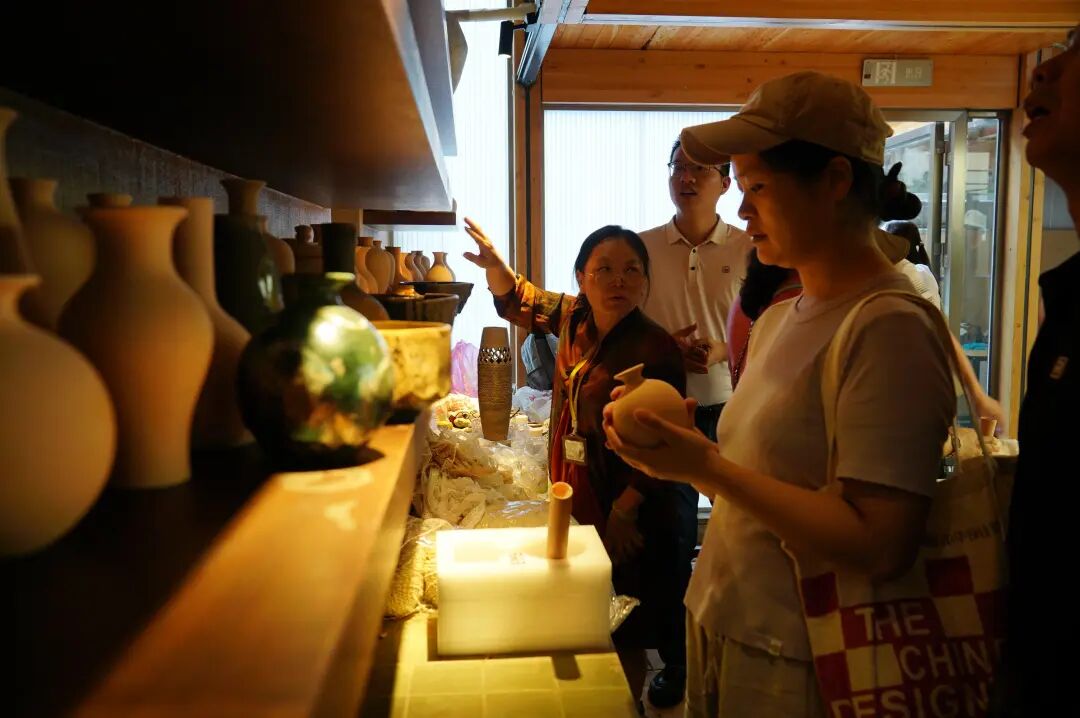
Following this, the “Sino-Japanese Tea Dialogue” between Yorigami Munemi and Lee Tae-sung brought the event to its climax. Kishin Munemi, a disciple of Kazuo Yagi and a key witness of the pioneering Japanese ceramic group “Sōdeisha,” is renowned for his “Reconstruction” series—works that often employ fragmentation and reassembly to explore the “imperfect vitality” of ceramics.
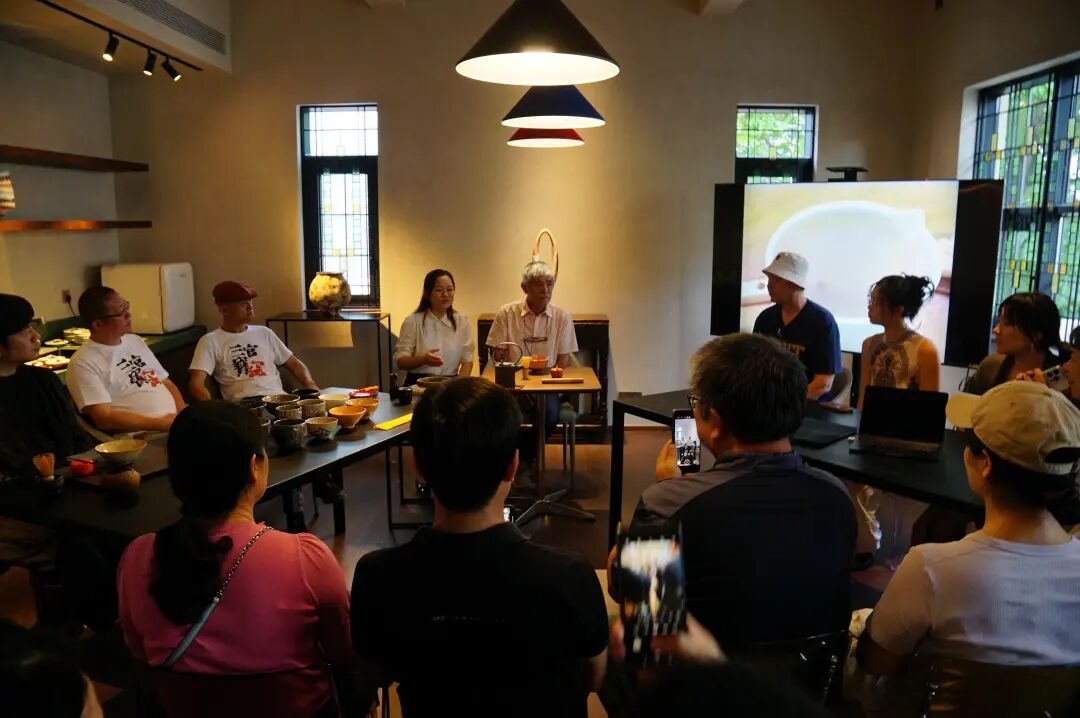
“The clay and kiln fire in China always remind me of the spirit of Japan’s Sōdeisha: breaking conventions and allowing art to converse with the land,” said YORIGAMI Munemi regarding his visit to Nanhai and Shishan. He especially noted his observations of historic buildings and traditional ceramics: “The history here is not a specimen in a museum, but lives in the hands of each artist and in the warmth of the kiln fire—this is the most precious nourishment for creation.”
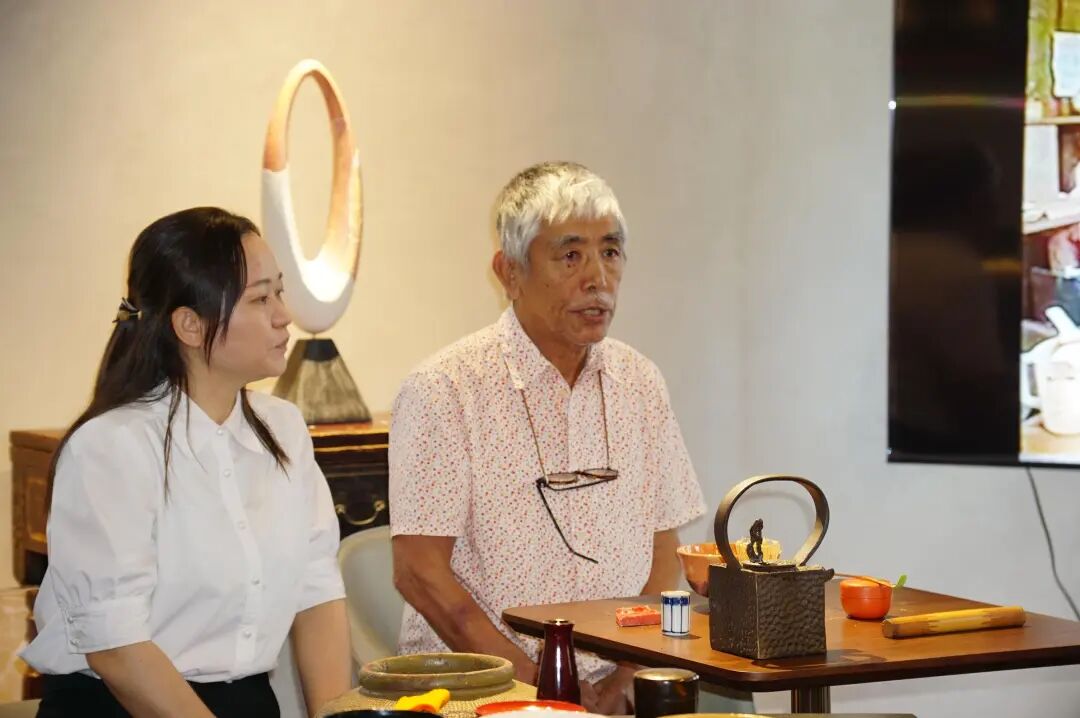
Li Jianshen also stated, “Contemporary Chinese artistic creation, by embracing and integrating abstract concepts from Western life and art with the local cultural environment, is like a seed naturally growing into plants and moss that reflect local characteristics under suitable conditions. This integration is manifested not only in artistic creation but also in everyday life needs, encompassing spiritual, material, physical, and aesthetic dimensions, forming a cross-cultural innovation space that originates locally yet transcends the local context.”
He believes that the Guanyao Cultural and Art Center embodies such an innovative space—one that emphasizes deep connections with people. Regardless of whether it is old or new, it serves as a place of belonging for visitors, reflecting a profound understanding and practice of locality, history, and modernity.
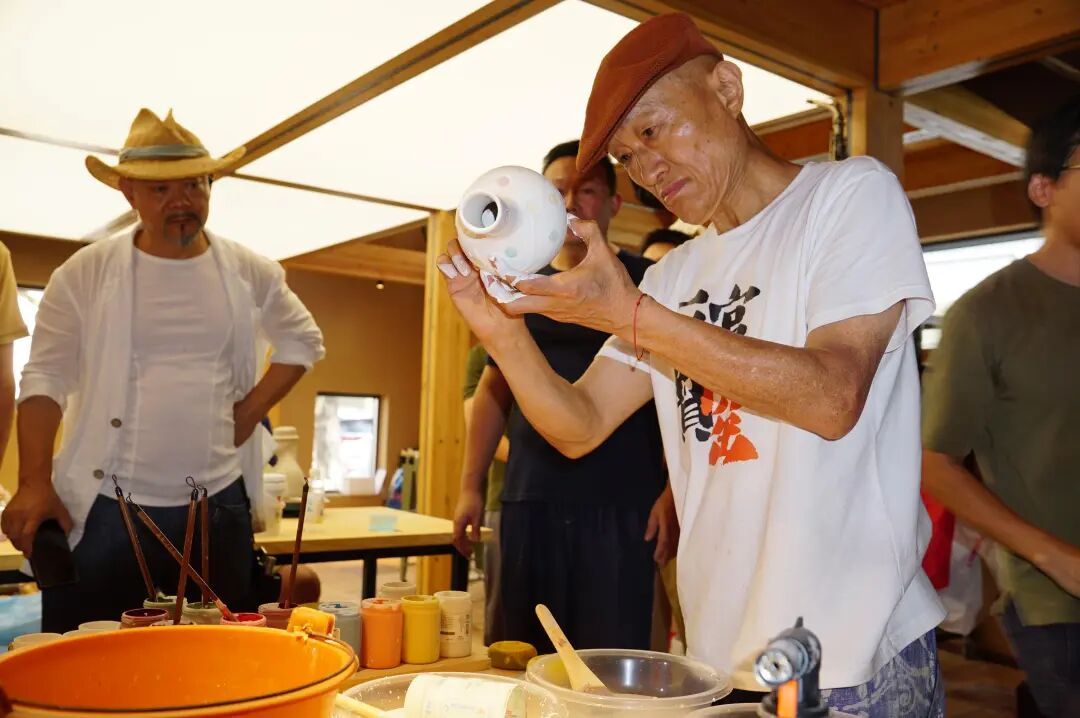
Lee Tae-sung responded with a creative practice focused on “attending to the authentic self.” As a “ceramic traveler” with 21 solo exhibitions and over 300 international group exhibitions, his works span Asia, the Americas, and Africa, blending traditional Korean glazes with global cultural symbols.
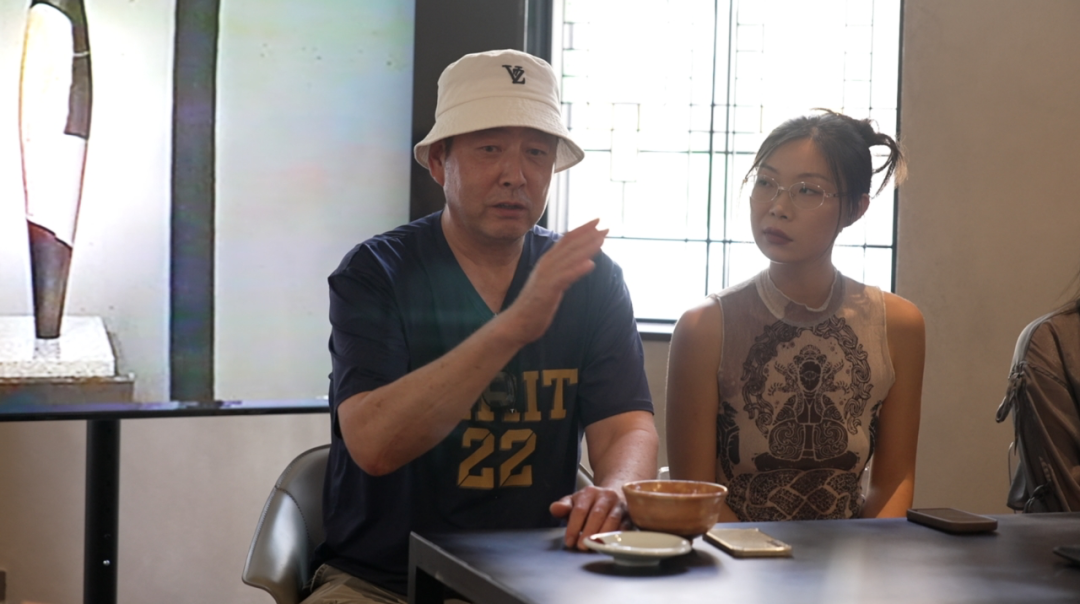
“I studied ceramics in the United States and was later deeply influenced by the ceramic aesthetics of Korea and China, yet my work has always used ‘humanity’ as its expressive language,” Lee Tae-sung shared in a past interview. “What makes Guanyao special is that it carries the weighty history of royal ceramics while also hosting the Guanyao Sanbao Creative Camp, a ‘contemporary laboratory’ where tradition and innovation naturally grow.”
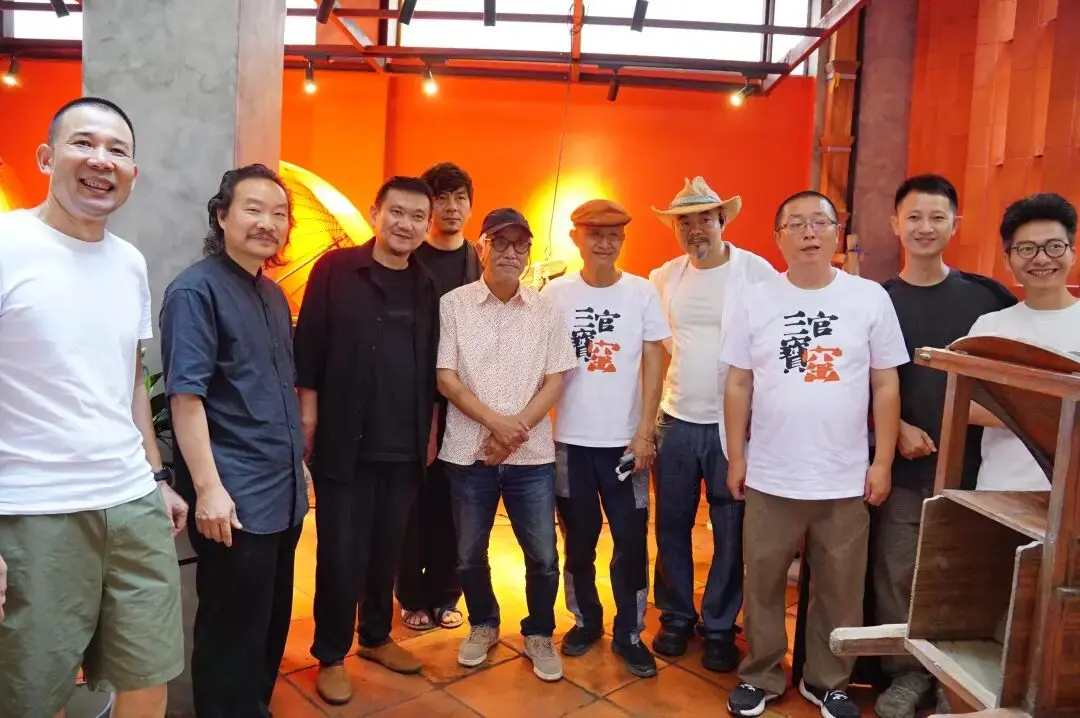
This exchange event is part of the Guanyao Sanbao International Residency Creative Season and represents an important effort by the Guanyao Cultural and Art Center to promote its “International Art Residency Program.” As a key platform connecting tradition and contemporary, local and global, the inaugural 2025 Guanyao Sanbao International Residency attracted eight resident artists and organized the first Guanyao Sanbao International Contemporary Works Invitational Exhibition. Through a model of “on-site creation + cultural dialogue,” the old factory buildings and kiln sites of Guanyao became incubators for artistic innovation.
Wang Yong, the executive curator of the inaugural 2025 Guanyao Sanbao International Contemporary Works Invitational Exhibition, stated that YORIGAMI Munemi’s “Reconstruction” concept and Lee Tae-sung’s focus on the “self” align perfectly with Guanyao’s approach to “living heritage.” “We hope it is not merely about ‘inviting in,’ but through the eyes of artists, letting the story of Guanyao ‘go out’ to the world,” he said.
Yin Zhizong, Executive Director of Xiqiaoshan Academy, believes that the opening of the Guanyao Cultural and Art Center will serve as a “model room” for Nanhai’s development of an international art residency center, strongly promoting the construction of a leading cultural economy zone. “It is foreseeable that these spaces, integrating artistic creation, cultural exchange, cultural tourism experiences, and industrial incubation, will become a new window for the world to understand Nanhai,” he said.
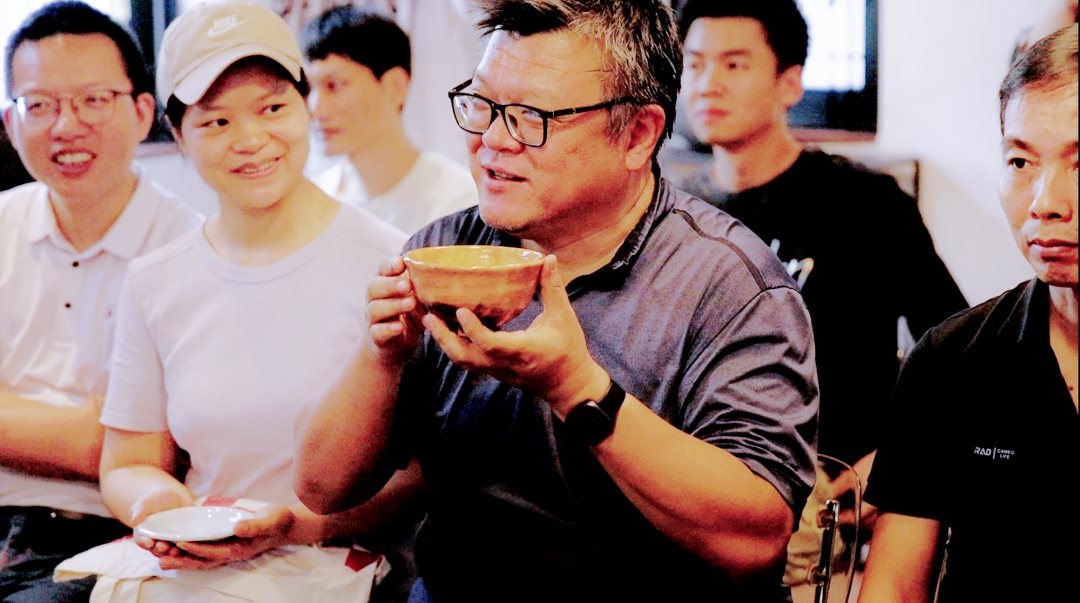
From the “art forged in fire” of the Raku firing to the “friendship through ceramics” of the tea dialogue, from the creative philosophies of international artists to the living heritage of local craftsmanship, this Sino-Japanese-Korean ceramic exchange was not only a skillful exchange but also a collision and fusion of cultural genes.
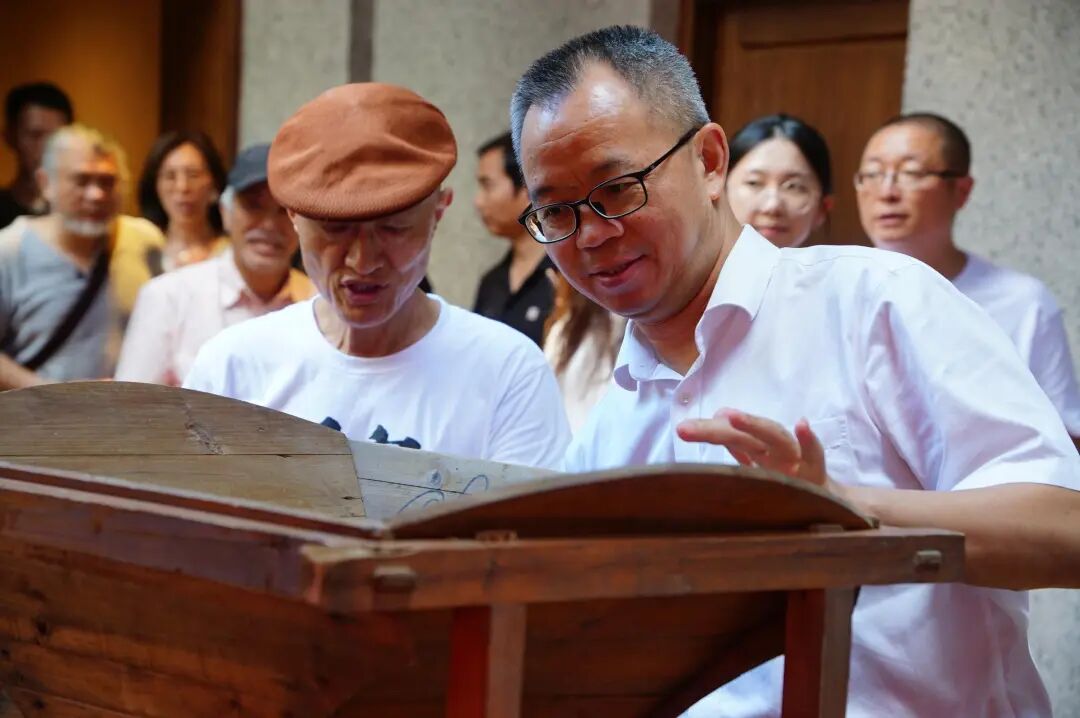
With the continued development of the Guanyao Cultural and Art Center, Nanhai is using ceramics as a bond to weave a cultural and tourism ecological network along the “Yushui Guanyi Cultural Belt.” Here, tradition is being revitalized, innovation is growing, and the term “Guanyao” is transforming from a historical symbol into a living emblem of contemporary cultural and artistic fusion.
Guanyao Cultural and Art Center