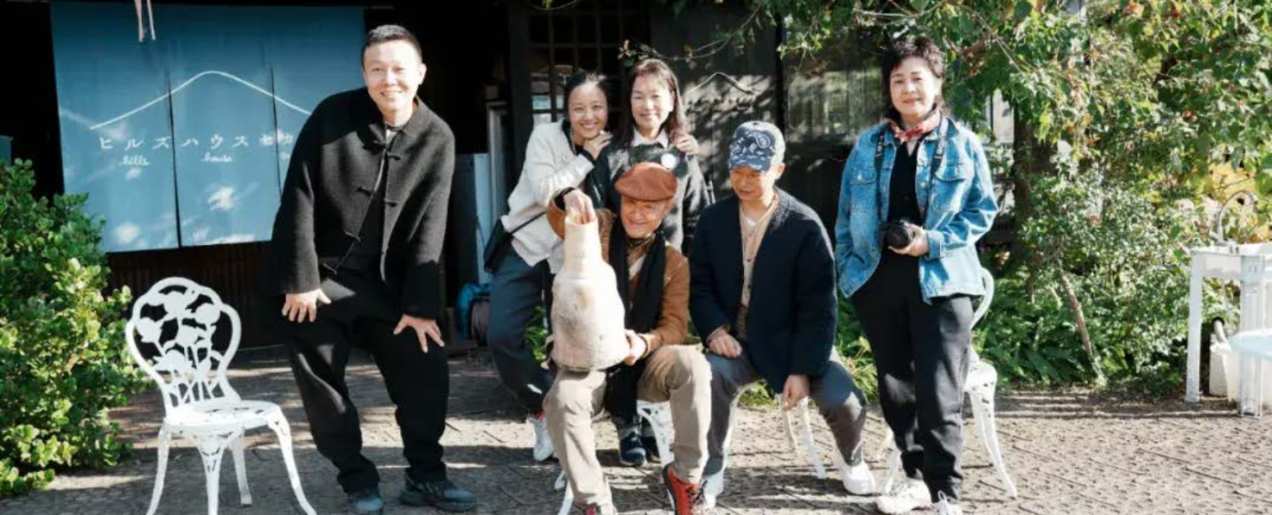
2025 Sanbao Walking Japan Ceramic Retreat, embark on an in-depth journey of humanities and art

Ceramics are an ancient language born of the earth. Ceramic artists use their hands to forge a living connection with clay. Behind every creation lies a quiet, delicate, and focused soul—along with a heart brave enough to defy convention.
Li Jianshen, a master of contemporary Chinese ceramics, has long stood at the vanguard of ceramic art. After returning to China from the United States in 1998, Li Jianshen began the “Build a Village, Make Ceramics” project in a secluded mountain area of Jingdezhen, gradually shaping it into today’s Sanbao International Ceramic Art Village—an important cultural calling card for Jingdezhen in the international ceramics world.

“Sanbao Walking” — the name we use for tracing the footsteps of ceramics. Under the guidance of Mr. Li Jianshen, we explore the possibility of a life that is most essential and returns to simplicity, and, beyond that, humanity’s timeless pursuit of beauty.
After walking through dozens of ceramic-region cities at home and abroad, in November last year we extended our journey to Japan and launched the first Japan ceramic retreat—walking across the archipelago to explore the unique aesthetics of Japanese ceramics.
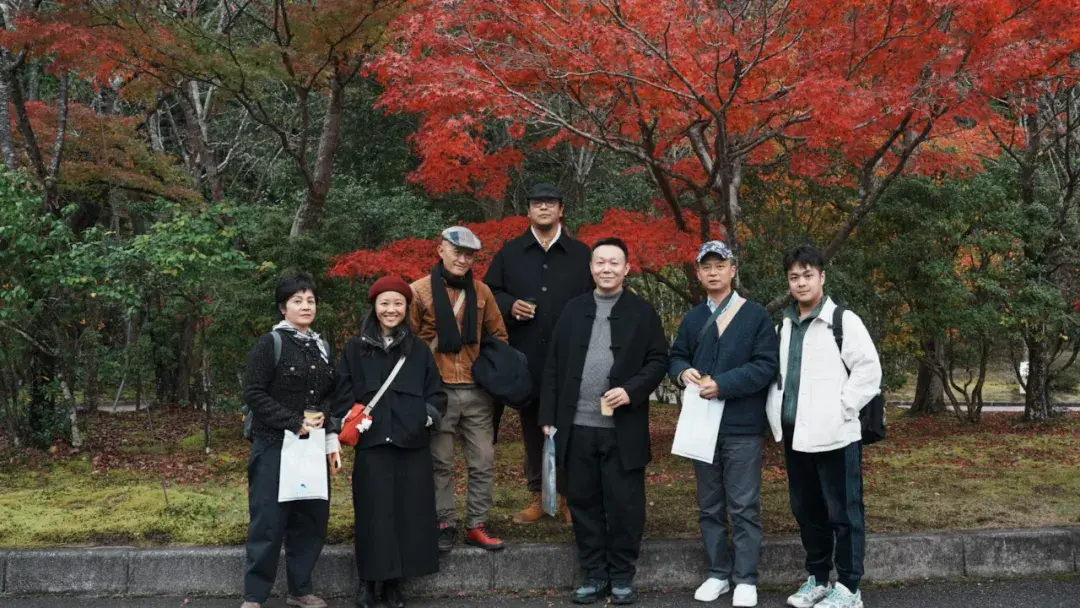
May 19–May 26, 2025, in the lovely early-summer season, we will set off again—gathering learners and practitioners in the ceramic arts industry, as well as enthusiasts of ceramic aesthetics and everyday aesthetics. Led throughout by Mr. Li Jianshen, we will take ceramics as our starting point and travel through four major ancient kiln regions of Japan: Tokoname, Bizen, Shigaraki, and Tanba.
We will go deep to visit studios of renowned Japanese ceramic artists that are not open to the public, and speak with them directly; we will travel together through Kyoto, Nara, and Uji, wandering through museums, ancient temples, and galleries across the regions, following locals to experience the tea ceremony and taste authentic cuisine.
On this retreat, let us savor the authenticity and tranquility within Japan’s mingei (folk craft) culture, and experience the “Wa” cultural aesthetics woven across multiple dimensions—ceramics, tea ceremony, architecture, markets, and more!
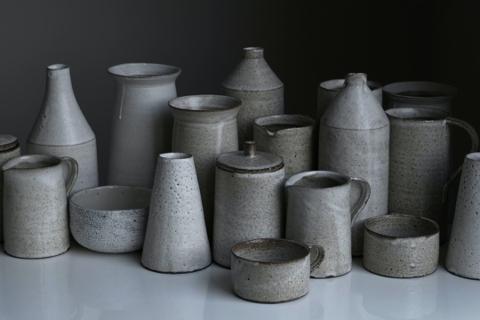
Artist Mentor for the Japan Ceramic Retreat
Li Jianshen
Founder, Sanbao International Ceramic Art Village, Jingdezhen
Distinguished Visiting Professor, Jingdezhen Ceramic University
Spatial designer, documentary director
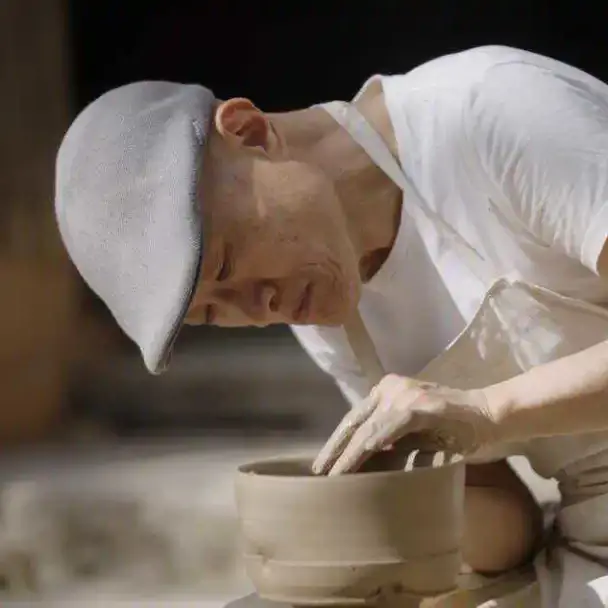

Tokoname: an international ancient kiln
Tokoname ware (Tokoname-yaki) is the oldest and largest of Japan’s Six Ancient Kilns. From the Kamakura to the Edo period, there were more than 3,000 Tokoname kiln sites.
The Tokoname Pottery Footpath streetscape was selected as one of “Japan’s 100 Beautiful Historical Landscapes,” dotted with a wide range of ceramic culture exhibition venues. Tokoname is also the famous hometown of the “maneki-neko” (beckoning cat). Maneki-neko can be seen everywhere in the Pottery Footpath district—permeating streets, walls, storefront displays, and even car decorations.

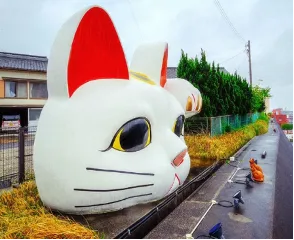
Because Tokoname is adjacent to Japan’s Chubu gateway, “Chubu Centrair International Airport,” tourism has flourished. The distinctive international artistic atmosphere that has developed from this is Tokoname’s greatest feature, setting it apart from other ancient kiln regions. Not only do many international ceramic artists gather here for creation and exchange, but local Japanese ceramic artists’ works also often incorporate elements of Western contemporary art, giving rise to a one-of-a-kind artistic style.
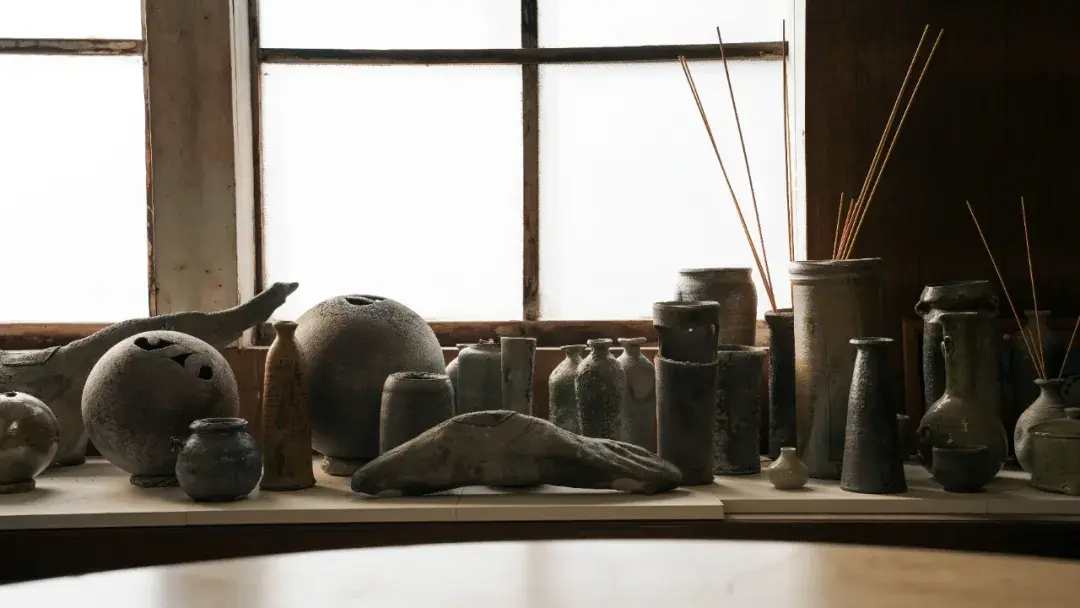
On this trip, we will visit renowned local ceramic artists in Tokoname, exploring this international ancient kiln region in depth. We will also stay in a distinctive guesthouse run by a ceramic artist, experiencing an authentic yet warm sense of “local life.”
Bizen: the beauty of wabi-sabi
Bizen ware (Bizen-yaki), one of Japan’s Six Ancient Kilns, was the favorite of the famed warlord Toyotomi Hideyoshi during the Warring States period. Bizen ware is neither painted nor glazed. It demands extremely high control of the elements of fire, wind, water, and earth, relying entirely on the properties of the clay and the unpredictable interaction of flames and ash inside the kiln to form ever-changing textures and hues—reaching the pinnacle of naturalism.
On this Bizen visit, we will call on the Kaneshige family, recognized as “Living National Treasures” of Bizen ware in Japan, and sit by the hearth for an in-depth conversation with ceramic artist Kaneshige Junpei.
Shigaraki: the hometown of the Shigaraki tanuki
Shigaraki ware (Shigaraki-yaki) is an unglazed, high-fired stoneware. Its firing techniques are simple and rustic, full of refined charm, and it is deeply favored by Chinese tea enthusiasts and collectors—its popularity has surged in recent years. Walking the streets of Shigaraki, you can see tanuki (raccoon dog) ceramic ornaments everywhere. As a representative work of Shigaraki ware, the Shigaraki tanuki symbolizes good fortune, prosperity, and happiness.
Renowned Japanese ceramic artist Mr. Yorikami Munemi, a disciple of the ceramic giant Yagi Kazuo, lives in Shigaraki. On this trip, under the guidance of Mr. Li Jianshen, we will visit in depth. In addition, we will visit the Miho Museum, as well as Shigaraki’s “Ceramic Cultural Park” — a famous international ceramic artist residency center, equipped with the world’s most advanced ceramic facilities and kilns.
Tanba: an ancient kiln town with an Edo atmosphere
Tanba ware (Tanba-yaki) originates from the Tachikui area of Sasayama City, Hyogo Prefecture, Japan. The pottery and stoneware produced are also known as “Tachikui ware,” with origins dating back to the late Heian period.
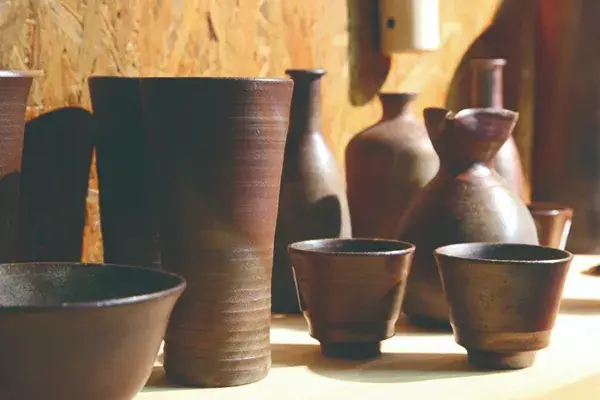
Designated as a Japanese national traditional craft in 1978, Tanba-Sasayama City still preserves a large number of Edo-period ancient kiln sites to this day. On this trip, we will take in the charm of Edo-era kilns and visit a pottery-making family with five generations of heritage, experiencing firsthand the inheritance and innovation of Tanba ware’s “craftsman spirit.”

To-ji Temple is the only fully preserved architectural complex from Heian-kyo (ancient Kyoto) that still exists in Kyoto. Its five-story pagoda, standing 55 meters tall, is also the tallest wooden structure in Japan. When Emperor Kanmu moved the capital to Heian, he built To-ji, effectively as a temple to protect the nation. Later, Emperor Saga entrusted it to the famed Kobo Daishi Kukai, and from then on, esoteric Buddhism began to take root in Japan. The temple houses 25 National Treasures and 52 Important Cultural Properties. Its carvings and statues often make visitors feel as if they are touring a historical art museum. But as a World Heritage site, To-ji transforms completely on the 21st of every month. On that day, it hosts a flea market in commemoration of Kobo Daishi Kukai’s memorial day—the “Kobo-ichi.” With a history of 700 years, the “Kobo-ichi” runs from sunrise to sunset, and a single market day may draw as many as 200,000 people. With more than 1,000 stalls, the goods on offer are even more varied. Of course, treasures and duds are mixed together—whether you can find your own “gem” most tests your courage and eye. If you spot ceramics you like, with Mr. Li Jianshen’s discerning eye and aesthetic judgment to guide you, you’ll surely feel confident!
Even fresher and more pleasing to the eye than spring’s new greenery is probably matcha. If you love matcha, you must come to Uji. Uji is home to two World Heritage sites—Byodo-in Phoenix Hall and Ujigami Shrine, Japan’s oldest Shinto shrine—and many shops have formed a tea-house enclave here. Beyond matcha, Uji is also famous for gyokuro and sencha, and is hailed as the birthplace of Japanese green tea. The Japanese tea ceremony is a comprehensive cultural art centered on matcha, integrating philosophy, etiquette, architecture, ceramics, ikebana, and more, pursuing the spiritual realm of “harmony, respect, purity, and tranquility.” To this day, it remains a core symbol of traditional Japanese culture. Learn to leave space for breath and for life; zen and tea as one; to counter life’s impermanence with the once-in-a-lifetime spirit of ichi-go ichi-e. It can be said: when in Japan, you must experience the tea ceremony. On this itinerary, we will go to Uji for an in-depth experience of Japanese tea culture, and feel the Japanese everyday aesthetics where tea ceremony and vessels merge.
Nara, as an ancient cultural city, has a history even older than Kyoto, the thousand-year capital. In 754 CE, Jianzhen (Ganjin) crossed the sea to Japan and founded Toshodai-ji in Heijo-kyo. At that time, Japanese architecture took High Tang architecture as its model; existing buildings such as the Golden Hall of Toshodai-ji and the Shosoin Repository of Todai-ji are in the Tenpyo style. Centered on temples and shrines, Nara’s architecture is Tang-inspired yet blended with local elements, forming a solemn, elegant, simple, and grand character. It reflects the peak achievements of Sino-Japanese cultural exchange and early Japanese timber architecture, and has been listed as a World Cultural Heritage site by UNESCO.
Strolling among ancient buildings, while taking in the aesthetics of architecture that blends China and Japan, you can also experience Japan’s methods of preserving and maintaining cultural relics. This journey is also one that uses history as a mirror—reflecting on the past and present, and illuminating the future!
In closing
The depth and richness of this Japan ceramic retreat cannot be fully captured in a few images and words; we have only selected several highlights above for display. The feelings and learning gained within can likely only be obtained through the steps of walking, through the flow of dialogue, through every “seeing” that your eyes touch, and through the thoughts sparked by unknown things and people. And that will surely be unique—your own “practice.” Ceramics are the art of earth and fire, and also the art of life and living. To see ceramics is also to see your inner self. We look forward to embarking with you on this in-depth ceramic retreat and humanities-and-art journey.